



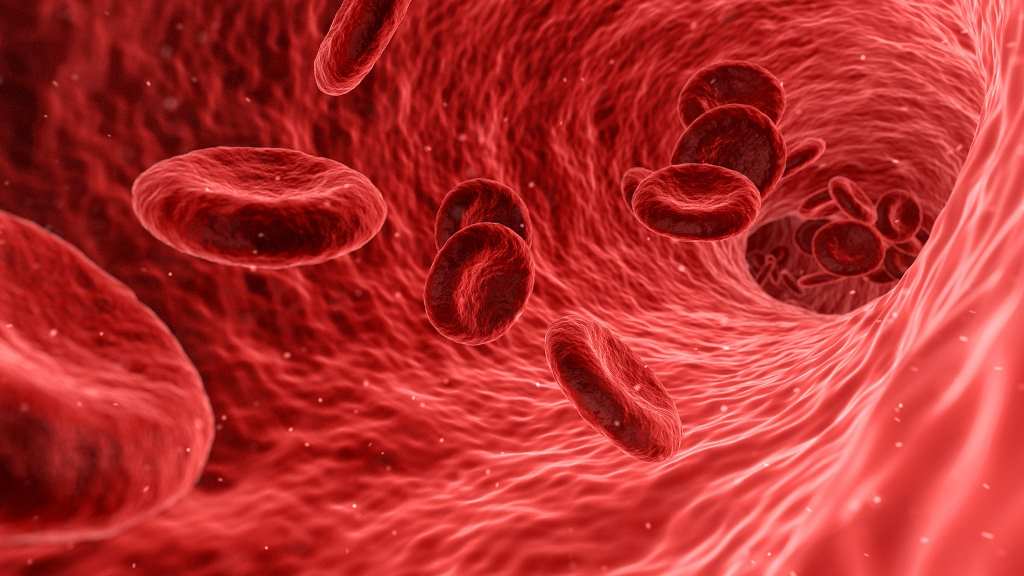
All eukaryotic cells (cells with a nucleus) have a ”hairy” surface composed of heavily glycosylated proteins, carbohydrates, and lipids. This surface has several functions, including regulating cell signaling and acting as a protective barrier that prevents unwanted molecules from reaching the cell membrane and passing through its openings. This hair-like structure is known as the endothelial glycocalyx and is illustrated in detail below.
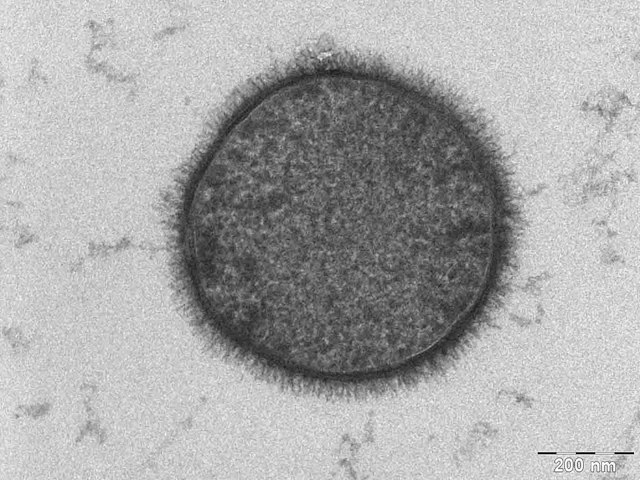
A healthy endothelial glycocalyx carries an optimal negative electrical charge and therefore repels negatively charged particles in the bloodstream. This creates a repulsive force between the endothelial glycocalyx and the negatively charged molecules flowing through the blood. This can be clearly observed in photographs and videos, where the center of the blood vessel appears red and the region near the vessel wall appears yellow.
As the glycocalyx becomes damaged, it gradually loses its negative charge and begins to allow blood cells and cholesterol molecules flowing through the center of the vessel to approach the endothelial cells. As the glycocalyx loses its height and density, the risk increases that blood cells and cholesterol molecules will pass through the gaps between endothelial cells and begin forming plaque on the opposite side of the vessel wall. At the same time, the text argues that the risk increases that cancer metastases can reach ACE2 receptors, which are located on the endothelial cell membrane between the glycocalyx and the cell membrane.
In addition to serving as a negatively charged protective barrier against blood cells, cholesterol, and cancer metastases, the glycocalyx also has a signaling function. It signals endothelial cells to deliver nitric oxide (produced from dietary nitrogen and oxygen carried by red blood cells) to the underlying smooth muscle layer (tunica media). According to the text, the healthier the endothelial glycocalyx, the more nitric oxide the endothelial cells will deliver to the tunica media, thereby helping it maintain its vital elasticity and resilience.
Like the traditional functions of the extracellular matrix, the vascular endothelial glycocalyx regulates many extracellular processes, including signal transduction, cell adhesion, and the localized deposition of growth factors and other signaling molecules. In addition, the glycocalyx performs several functions unique to the vascular system, including maintaining selective vascular permeability and modulating thrombosis, among others.
Because vascular dysfunction is associated with a wide range of diseases, and because the glycocalyx plays a crucial role in maintaining normal vascular function, its importance in disease has become the subject of intensive research in recent years. Alterations in the height and density of the endothelial glycocalyx have also been associated with an increasing number of pathological conditions, including sepsis, hypertension, diabetes, and others.
Lasse Blomdahl, A healthy glycocalyx is essential for a long and healthy life